Rooted in Partnership: Belonging Based Training with Equines
On a cold morning, prior to the sunlight heats the sector sand, I view the herd finish breakfast. The old mare noses a slow circle around a fresh hay flake and welcomes a more youthful gelding in. No screeches, no pinned ears, just a soft exhale and a shift of weight that says, You can be below with me. That exchange is the heart of belonging based training with equines. It is not a technique even a way of seeing. People come for equine-facilitated wellness, equine-assisted mentoring, or restorative horsemanship, yet what changes them frequently begins with that peaceful invite to share room. Belonging is really felt before it is explained.
I have actually trained numerous sessions, from executives doing team building with horses to youngsters in an autism equine discovering program. The usual string is connection. When belonging is the objective, coaching with horses becomes less about executing a task and even more concerning finding out to review and respond with care. The steed brings sincerity that can not be forged. Whether a person shows up with anxiousness that hums in their breast, ADHD that rattles focus, or sensory difficulties that make even the wind really feel loud, the herd fulfills them right where they stand.
What belonging looks like in a barn
Belonging with horses is based in consent, clarity, and consistency. Equines are social learners. They map safety and security via predictability, conforming body movement, and the ability to choose. An equine that can say no by walking away is likewise an equine whose yes lugs significance. In a belonging based approach, the horse is a partner and an energetic communicator. We established the setting so both varieties can share choice without penalty.
That commonly implies simple, concrete shifts. We begin unhaltered in a paddock when possible, then move to a halter only after a shared check-in. We give horses time to orient to a brand-new human, and we educate humans exactly how to observe a reduced head, a lick and eat, an interested ear, or, just as significantly, a tight jaw or a tail clamp that says pause. The goal is not to analyze every shiver, however to deal with the equine as a whole being with a nerves that mirrors our own.
With people, belonging programs up as selection in how they involve. Some customers favor brushing in silence first, locating rhythm in slow-moving curry circles. Others want to stroll with a steed free, or practice leading with soft hands and clear borders. The session adapts, not to cater to, but to respect nerve systems and construct capability step by step. In this spirit, equine-assisted solutions come to be less of a menu and more of a partnership field.
Sorting the language so we know what we are doing
The area utilizes overlapping terms, which can confuse customers. I tend to define them in ordinary language so people can choose the appropriate doorway.
Therapeutic horsemanship normally involves discovering horsemanship skills, such as pet grooming, adding, and placed or unmounted exercises, with adaptations for physical, cognitive, or emotional requirements. It can enhance balance, sychronisation, and confidence.
Equine-assisted activities are structured interactions with horses, often recreational or instructional, that build abilities like interaction or trouble solving. Assume obstacle programs free, or finding out to lead a steed through patterns.
Equine-assisted services is a wider umbrella that includes tasks, mentoring, and some scientific services. It can be found in numerous formats and setups, from ranches to therapeutic riding centers.
Equine-facilitated coaching and equine-assisted coaching focus on individual and expert growth rather than clinical treatment. These sessions make use of the steed as a responsive companion to brighten patterns in management, limits, or relational style.
Equine-facilitated health sits between mentoring and psychological wellness assistance, and in some programs includes cooperation with therapists or bodyworkers. Somatic recovery with steeds often lives here, where breath, posture, and feeling lead the learning.
None of these are equally special on the ground. A session may start as experiential knowing with steeds and move right into equine-facilitated training as understanding arises. The fundamental part is quality concerning scope, objectives, and consent.
Why steeds aid guideline stick
People often ask why steeds appear to soothe them faster than a reflection app or a stroll in the park. Co-regulation is the brief response. Horses are target pets with severe level of sensitivity to nonverbal signals. They discover refined shifts in breath, stress, and focus. When a person settles, the horse generally softens also. When the person climbs right into distressed reasoning, the horse might raise their head, freeze, or step away. This vibrant feedback loop makes the unseen visible.
In practice, that looks like paced breathing while an equine matches your cadence at the rail. It appears like a kid discovering to stop briefly before tugging, discovering that a slower exhale brings the horse closer. It resembles an executive understanding that the tougher they press, the less the equine intends to comply with, which mirrors a tense boardroom in the house. These minutes support nervous system knowing in muscle and bone. It is not abstract. It is kinesthetic and immediate.
Somatic recovery with equines does not need a trauma narrative to be reliable. It begins with existing moment recognition: feet on the ground, hand on a cozy shoulder, the noise of eating. For clients who bring injury, this sensory focus can be supporting. And for those exploring ADHD equine learning support, the body-based jobs give just enough activity to engage focus without flooding it.
Safety that builds confidence without reducing challenge
Safety is not the lack of danger, it is the presence of assistance and choice. Steeds are huge and opinionated. They also hunger for excellent management and clear requests. In a belonging based technique, we established the setting to permit real link while layering in practical safeguards.
We suit equines to clients by character, energy, and background. A 1,200 extra pound draft cross with a soft eye might be excellent for distressed grownups, while a smart horse that likes problems aids teens who favor interaction over soothing. We keep in shape tack, clear arenas, and constant regimens. We do not put people in scenarios where a meltdown, either equine or human, is the only method out.
We likewise teach mechanics without drama. Brief bring about begin, then longer ropes as skills grow. Hands at the knot, not the snap. Silent halter changes with the equine's head reduced. Straight your feet where you want to go, after that welcome the horse to match. These small routines build up. Over a typical eight session series, I expect to see managing abilities advance from tentative to worked with, and psychological policy from fragile to resilient.
A day in the field, item by piece
An initially session has a various tempo than the 8th. People show up with tales concerning steeds, some tender, some frightening. Our work is to turn the volume down on narrative and up on immediate experience. Here is a small version of how we structure the flow while leaving space for improvisation.
- Arrival and alignment, consisting of a short walk to satisfy the herd from outside the fence.
- Consent and check-in in plain language, such as, Would certainly you such as to start with grooming in the cross ties or with a couple of mins at liberty in the round pen?
- Safety basics woven right into the first task, like where to stand at the shoulder and how to notice the horse's bubble.
- A core workout that matches the client's goal, possibly leading via a pattern or exercising tranquility with hand on wither.
- Reflection and combination, tying felt sense to day-to-day live, after that a closing ritual such as a thank you scrape at the preferred spot.
That checklist covers concerning 60 to 75 mins relying on focus and arousal. I do not hurry. If the entire session comes to be a lesson in exactly how to slow down an equine's consuming to maintain everyone secure in the cross ties, that is not a failing. It is life with steeds, and it shows patience, timing, and body awareness.
Stories from the rail
M., a 9 years of age with a spiky connection to institution, came wherefore her moms and dad called Alternative therapy for sensory difficulties. She disliked tags on shirts, covers on beds, and the shock of emergency alarm. On the first day she wanted to stand behind a gate and watch. The gelding Zig took two actions, then dropped his head to sniff her boots. She giggled, after that flinched, then giggled once again. We developed from that moment.
By week three, M. Was grooming Zig with a blue soft brush, counting strokes aloud. The job offered her just sufficient framework. When the barn ingests swooped reduced and she surprised, we had a basic prepare for ground: look up at the rafters, press feet into the floor covering, breathe out longer than the inhale. Zig's ear flipped back to her each time she let air go. After eight weeks, M. Still disliked smoke alarm, however she had a mobile procedure for surprise: orient, ground, exhale, reconnect. Her parent reported fewer disasters around sensory spikes and more self-confidence promoting for breaks.
On a different Tuesday, an elderly leadership group came for a half day of group building with equines. We used a freedom workout called Adhere to The Yes. The team required to move a steed with a pattern of cones without touching or rewarding. The initial effort appeared like a staff meeting with way too many e-mails. 4 voices, no plan, a baffled horse that opted to forage in the only spot of clover. We stopped briefly and asked the noticeable: Who is leading, who is sustaining, and how will the equine understand? Round two, someone set instructions, the others produced a border bubble with their bodies instead of sound. The steed walked through the cones on a loose https://beckettnlkr855.talesignal.com/posts/seasons-of-adjustment-year-round-equine-assisted-providers-for-growth arc, after that stopped briefly to face the team. The debrief was short and sharp. They recognized the routine of over-talking and under-communicating in their day-to-day job, and they entrusted one contract: fewer words, more clarity concerning role.
For stress and anxiety support with steeds, a pattern appears over and over. People breathe high and quickly when they fret. Horses feel the shallow breath and react with vigilance. We experiment with counts and tempo. Some clients like a 4 in 6 out pattern. Others favor placing a hand on the steed's side to match the slower equine rhythm. Within 2 or 3 sessions, a lot of discover a breath that works for them, and the horse responds in kind, dropping the head or leaning in. That co-created rate comes to be a reference point for high risks minutes off the ranch, like a task meeting or a hard conversation.
Coaching devices that recognize both species
Equine-facilitated coaching uses traditional coaching abilities, yet the steed keeps us straightforward. Goal setting matters, however we define it in behaviors we can see and really feel, not simply hopes. If the goal is better borders, we gauge it as, Can you ask the equine to go back without increasing your voice, then soften and invite them onward again? If the goal is cooperation, we exercise handoffs in a leading pattern, discovering how timing, posture, and tone influence the horse's readiness to adhere to multiple individuals in sequence.
Curiosity is the other core tool. As opposed to deciding what a habits suggests, we evaluate it. If the horse crowds you at eviction, are you standing in a place that welcomes a closer look, or did the horse find out that pockets suggest deals with? If you open your shoulders and take a longer action, does the crowding willpower? This spirit of experiment shields the equine from being a mirror for everything and shields the individual from over-interpretation.
For clients seeking ADHD equine discovering support, I maintain exercises short and certain, after that vary them simply sufficient to maintain rate of interest. A 10 min brushing circuit that turns brushes and body areas can develop sequencing abilities. Leading through a pattern that changes every 2 cones supports functioning memory and flexibility. The benefit is not simply focus. It is company. A client that notices, I shed track at heaven cone, after that resets without embarassment is moving an important exec feature ability right into day-to-day life.
Belonging and neurodiversity
An autism equine learning program that centers belonging is not a one size fits all educational program. Some clients need predictability above all. We keep the pattern consistent for several weeks, after that add a little change, such as a new brush structure or a brand-new course to the field. Others prosper on novelty but require clear begin and quit signs. We make use of visual supports, like a tinted cone where each exercise starts and ends, together with a simple spoken script.
Sensory handling matters for steeds also. A noisy coat, a jangling halter, or a strong fragrance can be aversive. We issue fix both instructions. If clipping sound is too much for the client, we smother with a towel and job farther from the barn. If an equine responds to a mobility device rolling close, we start at a range and set approach with tranquil reinforcement, permitting the horse to explore on their terms. Valuing both nerves increases real participation.
What modifications over time
In 8 to twelve sessions, patterns emerge. Individuals get here with shoulders near ears, and entrust a neck that moves like it keeps in mind exactly how. They discover they can claim no to a horse without being mean, and the steed values it. They really feel an of course in their chest when the horse chooses to adhere to on a slack line, which really felt feeling of yes begins to overview decisions far from the barn too.
Teams that practice with equines have a tendency to bring back 3 tiny however resilient practices. They make one clear request at once. They confirm comprehending with a visible actions, not an unclear nod. And they debrief today when the task ends, while the impacts in the sand still show the pattern they walked. These very same leaders commonly report that conferences run much shorter by 10 to 20 mins, just due to the fact that they trade babble for signals that land.
Simple, effective exercises to attempt with guidance
If you are considering equine-assisted activities or equine-facilitated training, 2 fundamental techniques can show you a whole lot about your patterns. Work with a specialist for security and for the steed's wellness.
- Boundary and invitation at the shoulder: Stand at the horse's left shoulder facing onward. Ask to take one go back with a clear exhale and a tiny wave of your fingers towards the breast. When they step, soften, action in, and incentive with a rub. You will certainly learn where you exaggerate and where you hesitate.
- Liberty follow: In a tiny pen, stroll a mild curve and see if the equine selects to mirror you. If not, pause, soften your look, and transform instructions. If indeed, try reducing to a quit and breathing out. Does the horse stop with you, or do you require to welcome the stop with a tiny action sideways? In any case, you are currently in a dialogue.
These are not tricks. They are stress and release in the lightest possible form, which constructs clarity and trust.
Ethics and the steed's experience
Belonging includes the steed. We schedule rest days so the herd is not asked to hold psychological labor continuously. We turn steeds so one extrovert does not bring every friendly group while a quieter equine never obtains a turn with the soft-spoken introverts who could love them. We view weight, hooves, and saddle fit, due to the fact that physical pain poses as behavioral trouble.
I have refused sessions when a steed informed me they were provided for the day. That choice costs earnings in the short term and develops trustworthiness in the long-term. Clients who witness us recognizing the steed's no find out to recognize their very own. They return since they trust the container, not since we guarantee miracles.
How groups really discover with horses
Most teams do not need ropes courses. They require truthful comments that connects to behavior, not character. Horses consider that easily. A brief format that constantly operates in a half day appears like this:
- Warm up with quiet leading. Pairs guide an equine via an easy square in silence to reset communication habits.
- Clarify duties, then complete an unique job, such as moving a herd, two steeds, from one end of the sector to the other with open gates and a few disruptive elements.
- Debrief based upon what the equine did, not that chatted most. Name the micro-moves that worked.
In this structure, equine-assisted training becomes a useful laboratory. Outcomes are visible. The team either relocated the equine securely, or they wreaked havoc. Then they refine and try once more. The lessons leave hoofprints, not just sticky notes.
When steeds are not the answer, and when they are
There are times when a workplace, a clinic, or a health club is the ideal place. If somebody is acutely dysregulated, recently hurt, or frightened of pets, we may begin somewhere else. Furthermore, if a customer desires only riding lessons, we might refer them to a program concentrated on placed skills. Training functions best when objectives straighten with the medium.
That claimed, there are patterns where equines stand out. People who find out finest by doing thrive with experiential knowing with steeds. Those who feel embeded talk treatment frequently unlock a new door when a 1,000 extra pound animal responds to their quiet yes. And for customers seeking an Alternative therapy for sensory obstacles, the barn uses a buffet of grounded experiences that can be titrated thoroughly. The scent of hay, the warmth of a barrel, hoofbeats on sand, the resonance of a satisfied nicker, all are inputs we can call up or down.
Getting started without the hype
If you really feel attracted to this job, go to a program before you book. Enjoy how the staff move the equines. Do they slow down at entrances, wait for the equine to reduce the head prior to haltering, and maintain their voices consistent even when something unexpected takes place? Ask just how they specify extent. If they supply equine-assisted solutions broadly, what does that mean for your objectives? If you need anxiety support with steeds, how do they titrate stimulation? If you desire equine-facilitated training for management, what does success appear like 3 months later at work?
A good program will invite those inquiries. They will certainly talk straight regarding security and expense and what occurs if the steed claims no on a provided day. They will be sincere concerning the distinction in between a glossy photo and the genuine work of standing in sand, occasionally in the rainfall, fine-tuning your timing until the lead rope feels like a common language.
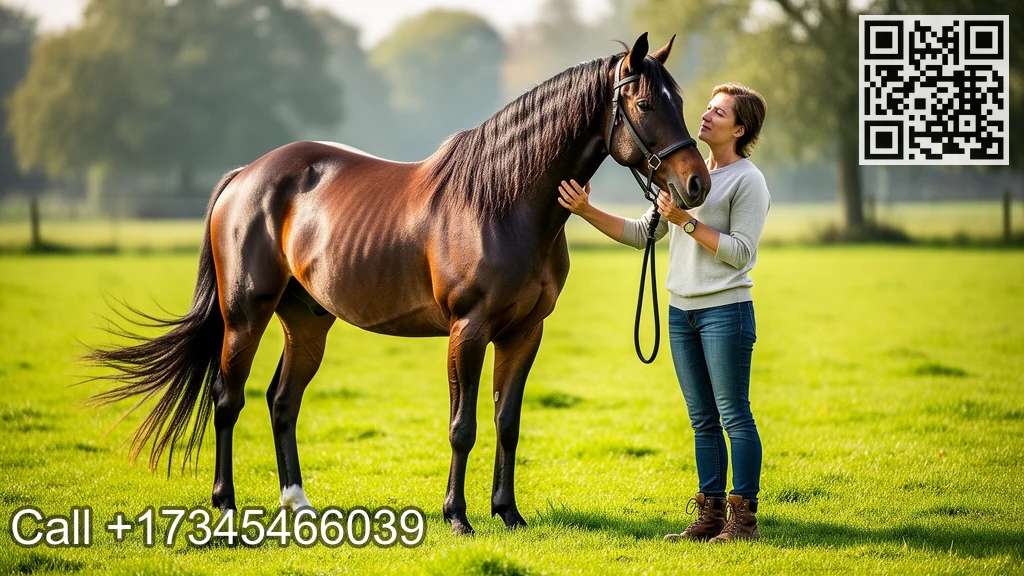
The silent transformation of belonging
What sticks out after years in the arena is exactly how small changes ripple. A teenage kid that could not make eye call with instructors finds out to consider an equine's shoulder to time a request, then locates that the exact same soft gaze makes people really feel valued. A supervisor who stayed clear of problem learns to ask an equine to support one step, after that one more, after that progression to welcome the steed into their area again. Limits become a dance, not a wall. A lady who never trusted her instincts due to the fact that they had actually been doubted for many years notices that the mare kicks back every single time she follows her first impulse instead of overthinking. She starts tiny with loved ones, and the change holds.
Belonging based training with equines is not regarding repairing individuals. It is about bearing in mind exactly how to be in partnership with quality, generosity, and option. The herd currently knows exactly how to do this. We enter their area and, with luck and practice, we allowed that knowledge form us. When it works out, the old mare will certainly walk a slow circle the human the method she does around hay, after that open up a space at her shoulder that claims, You can be right here with me. That is the lesson worth carrying home.
Happy Hooves Wellness
9177 Gross Rd, Dexter, MI 48130
+17345466039
https://www.hhooves.com/